

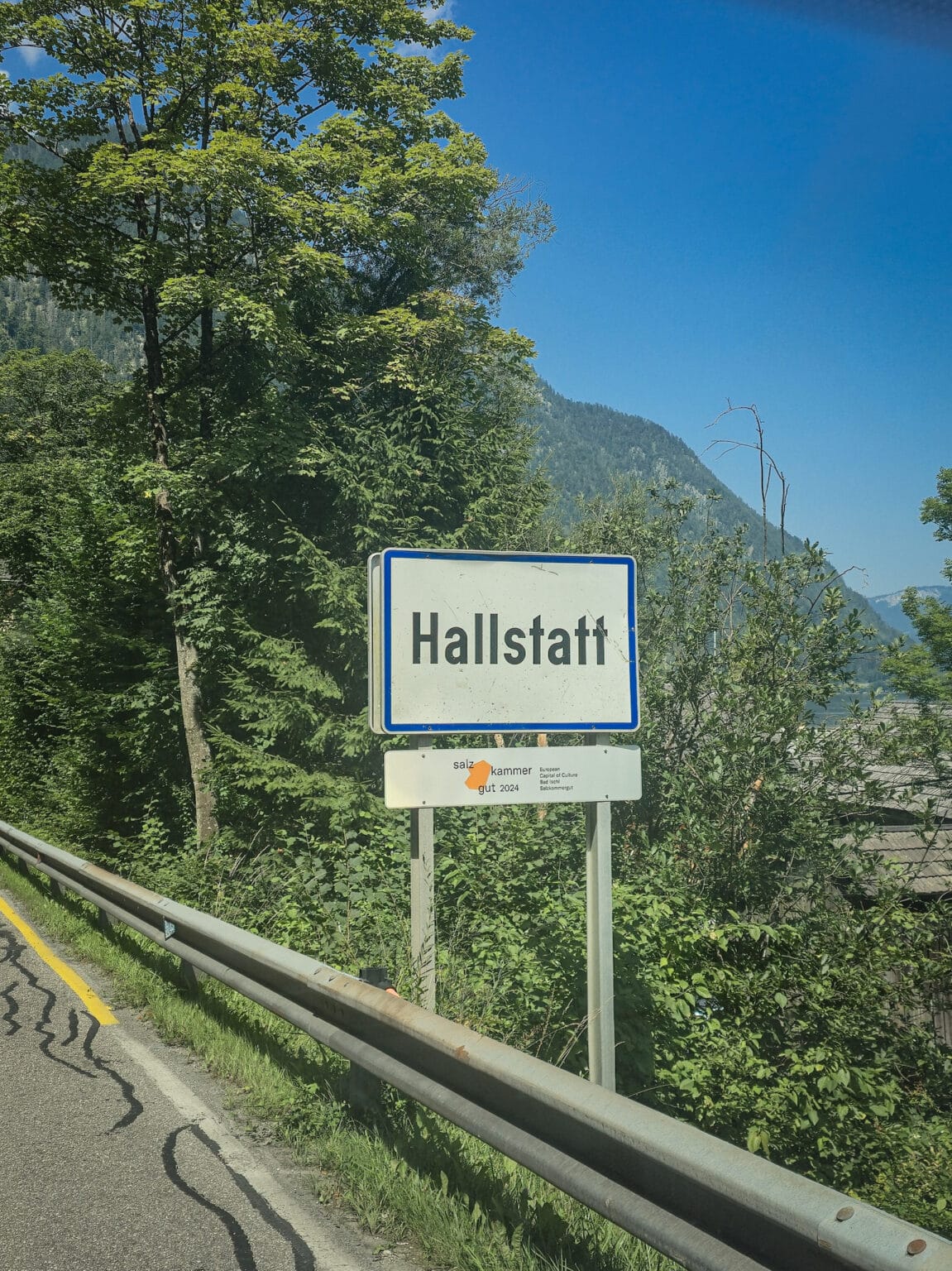
The Fascinating History Behind the Name of the World-Famous Salt Town Hallstatt
Place names are silent chroniclers – they carry stories that are often older than the places themselves. Hallstatt, the world-famous village on the shores of Lake Hallstatt, is a prime example of this.
Nestled between steep Alpine slopes and glistening water, it bears a name that goes back deep into early European history.
“Hall” – an ancient word for salt – and “Statt” – an old term for settlement or place – merge here to form a sonorous name that tells of a millennia-old connection between man and salt.
A name that is more than just a geographical label: it is a key to the trade, power and culture of times gone by.
- But how exactly did this name come about?
- Which peoples shaped them?
- And what does the name Hallstatt reveal about life in a region that held special significance in the heart of Europe thousands of years ago?
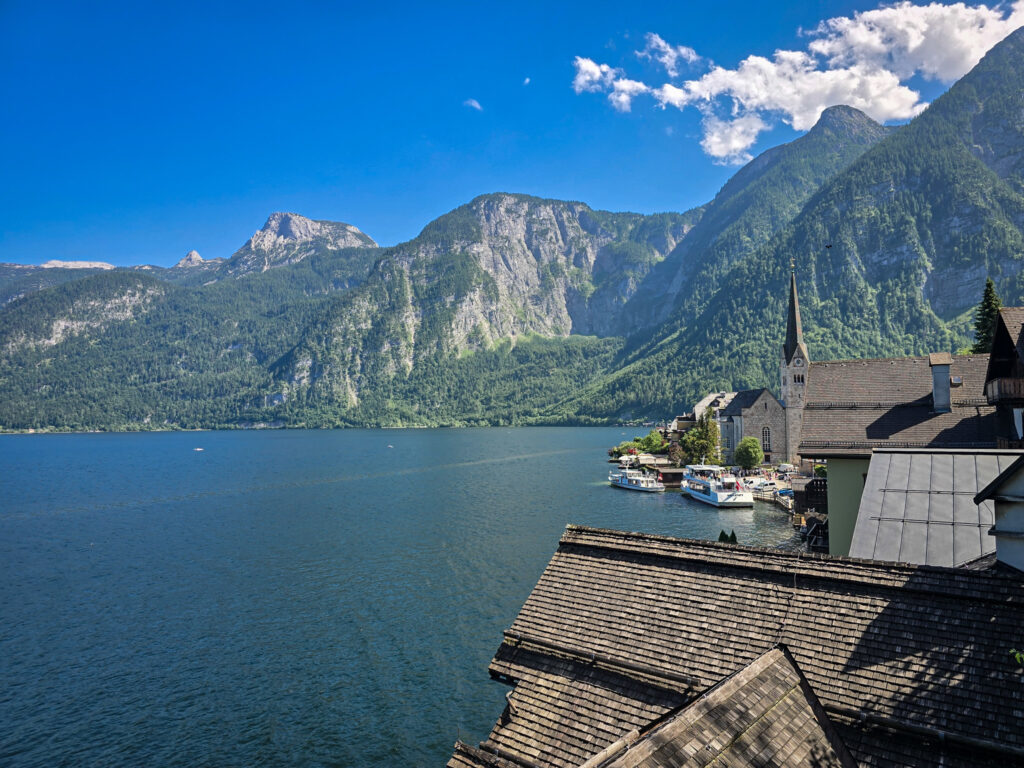
Hallstatt – A Name Shaped by Salt and History
The origin of the name Hallstatt leads deep into the history of salt mining in the Alps – and thus to a resource that has shaped life here for thousands of years.
The first part of the name, “Hall“, appears in numerous places in Central Europe, such as Hallein, Hall in Tirol or Bad Hall, and is almost always associated with salt.
Linguists believe that the term comes from the Celtic language – probably from the word hal for salt – and was already in use over 2,500 years ago.
The second part, “Statt,” derives from the Old High German stat or Middle High German statte. These terms meant “place,” “site,” or “settlement” and were commonly used for settlement names in the Middle Ages. Combined, it describes “Hallstatt” literally as “the place of salt.”
This naming is anything but coincidental:
Hallstatt was already an important center of salt mining in the Bronze Age and early Iron Age. So important that archaeologists have even named an entire epoch after it – the Hallstatt culture (ca. 800-450 BC).
This period is famous for its rich grave finds, ornate metalwork, trade contacts as far as the Mediterranean and traces of a flourishing salt trade.
To this day, salt remains inseparably linked with Hallstatt. This heritage is evident not only in the Salzwelten Hallstatt, the oldest known salt mine in the world, but also in the town’s very name – a linguistic monument that preserves thousands of years of Alpine history in a single word.
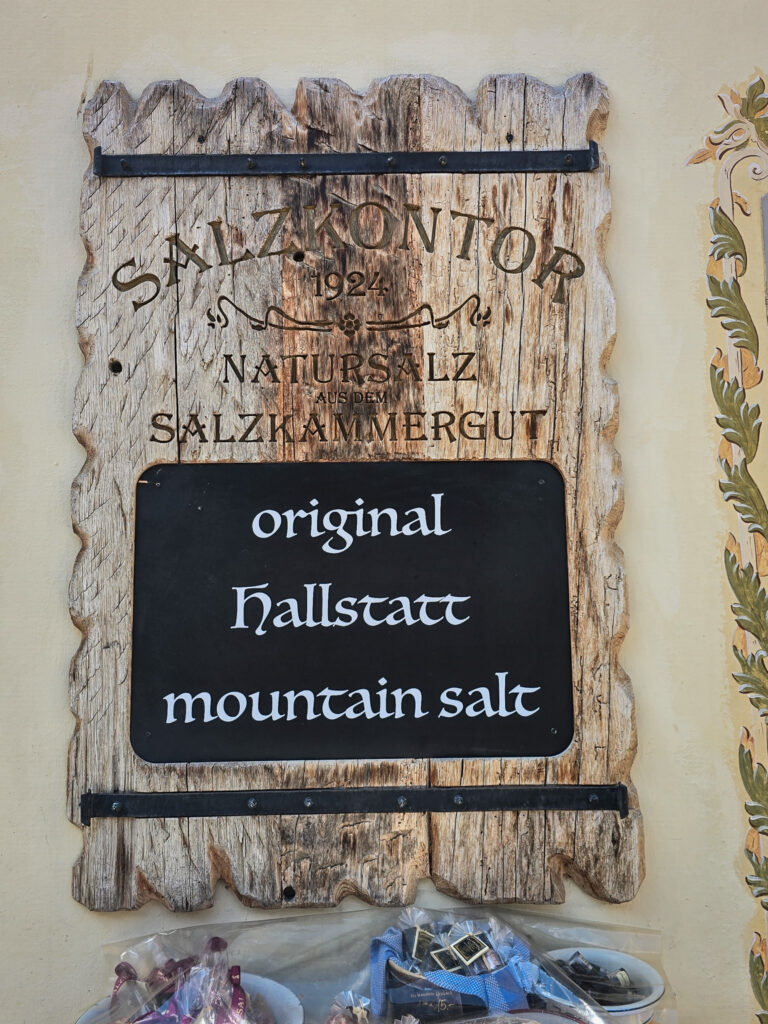
Other “Hall” Places and Their Common Origins
Hallstatt is not the only place in the Alpine region that carries the word ‘Hall’ in their names. Travelers who keep their eyes open will discover it in many locations – and almost always with the same meaning: salt.
Hallein (Salzburg, Austria) – Just an hour from Hallstatt lies Hallein, home to a salt mine with a history spanning thousands of years. Here, “white gold” was already extracted in Celtic times and transported along the Salzach River.
Hall in Tyrol – A historic town near Innsbruck that rose to become one of North Tyrol’s wealthiest cities in the Middle Ages thanks to the salt trade.
Bad Hall (Upper Austria) – Known for its iodine-rich healing springs, whose origins also lie in the salt-rich underground.
These “Hall” places form a kind of linguistic map of salt in Central Europe. Their names are silent witnesses to a far-reaching trade network that existed long before industrialization. Salt was not just a spice, but also Currency, a preservative and a strategic raw material.
Towns with salt deposits gained influence, prosperity – and often political importance.
The fact that Hallstatt still bears its name today shows how strongly this historical role has been etched into the collective memory.
Every “Hall” site tells its own story, but Hallstatt has an exceptional position due to its extremely long settlement history and spectacular archaeological finds. exceptional position position.
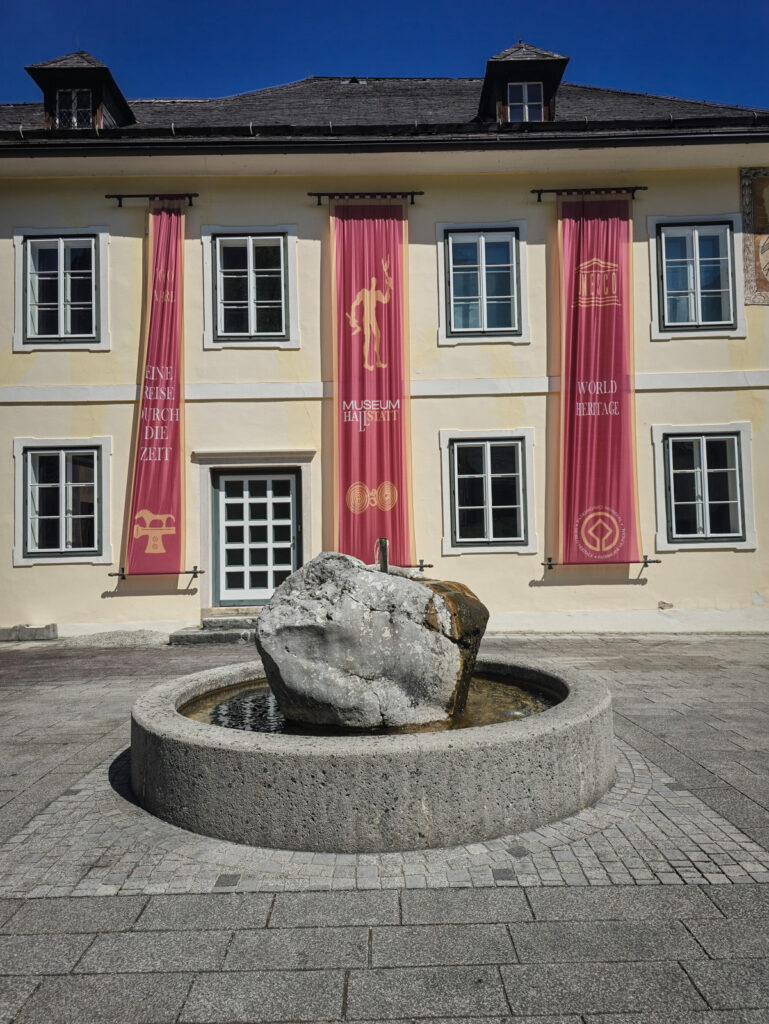
From Name to Global Brand – Hallstatt Today
What once began as a simple place name has become far more than just a geographic label. “Hallstatt” is now a world-renowned brand – a synonym for picturesque Alpine landscapes, millennia-old history, and cultural heritage.
Every year, the village on Lake Hallstatt attracts hundreds of thousands of international visitors from all over the world. Many come for the famous postcard view with lake, church, and mountain backdrop. Others want to explore the Salzwelten Hallstatt, considered the oldest continuously operating salt mine in the world.
The name itself has long been part of the tourist staging:
It appears on souvenirs, travel guides, international social media posts and even on a replica of the village in China. replica of the village in China in China.
This global attention has not only brought Hallstatt an economic boom, but has also presented it with challenges – for example in dealing with visitor flows and protecting its cultural heritage.
Despite its worldwide fame, the original meaning of the name remains tangible.
Salt is not only a piece of history in Hallstatt, but also part of its identity. Anyone who visits the town moves in a history book whose name has remained unchanged for thousands of years.
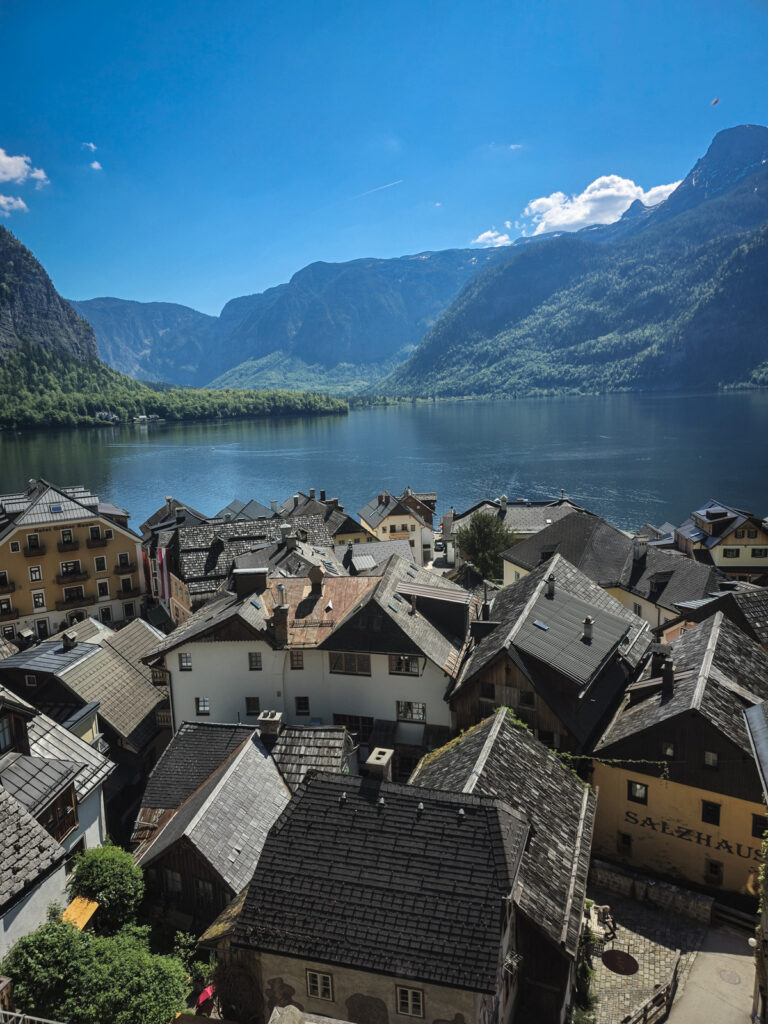
Hallstatt: A Name Steeped in History
The name Hallstatt is much more than a geographical term – it is a condensed history book. Just two syllables contain the essence of a region that has been shaped by salt for thousands of years.
From the Celtic hal to the Old High German stat a linguistic arc spans that tells of trade, prosperity and cultural prosperity as well as hard work in the mountains and life in the middle of the Alps.
Today, Hallstatt is not just a village but an international icon that attracts people from all over the world. The name has become part of global perception, standing for beauty, authenticity, and a unique connection between nature and culture.
Anyone who understands where this name comes from will understand Hallstatt in all its depth – not just as a tourist destination, but as a living testimony to European history.
And that is precisely where the magic of this place lies:
The past resonates in the sound of his name, while he lives on in the present and is carried into the future.
Dive into Hallstatt’s origins – book your tour and experience history where it all began.