

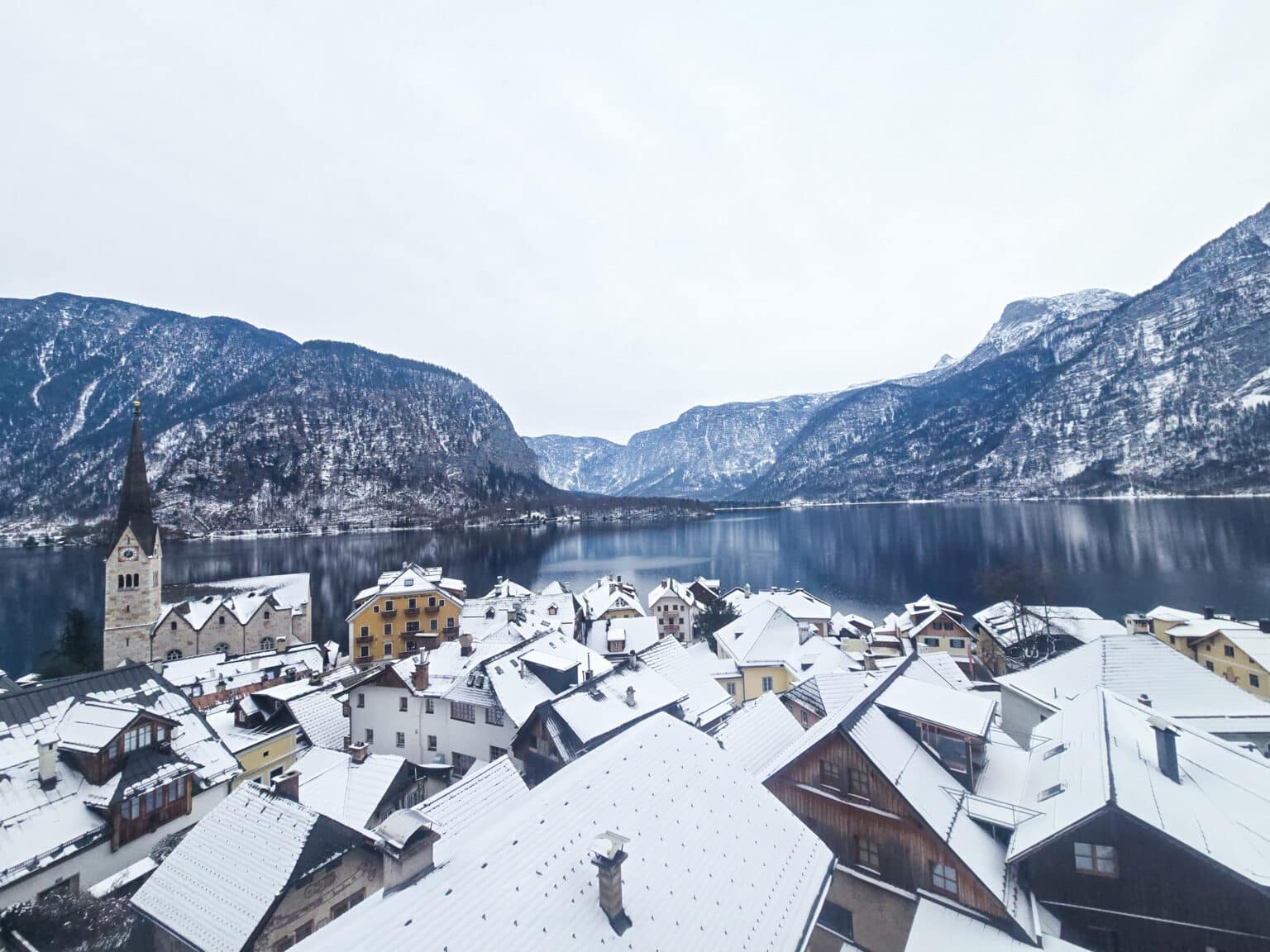
When Time Stands Still in the World Heritage Site
When the first frost sweeps across Lake Hallstatt and the jagged peaks of the Dachstein massif disappear beneath a heavy mantle of snow, the atmosphere in Austria’s most iconic village undergoes a sudden, dramatic shift.
Where summer is dominated by the vibrant bustle of international travelers, winter brings a return to an almost mystical tranquility. Hallstatt in winter is more than just a destination—it is a sensory experience, reminiscent of the timeless aesthetics of a living snow globe.
The crunch of fresh snow in the narrow, winding alleys, the delicate scent of woodsmoke in the crisp alpine air, and the warm, amber glow from the windows of centuries-old timber houses turn a visit into a journey back to a slower, more deliberate time.
Those fortunate enough to experience Hallstatt outside the high season will discover a side of the region that remains hidden to most tourists: authentic, silent, and possessed of a sublime beauty.
In this comprehensive guide, you will learn why the cold season is perhaps the most honest way to discover this UNESCO World Heritage site. We will show you how to plan your stay, which photo spots are most captivating in the snow, and how to ensure your winter journey through the Salzkammergut remains absolutely stress-free.
The "Silent Season": Why Hallstatt Reveals Its True Face in Winter
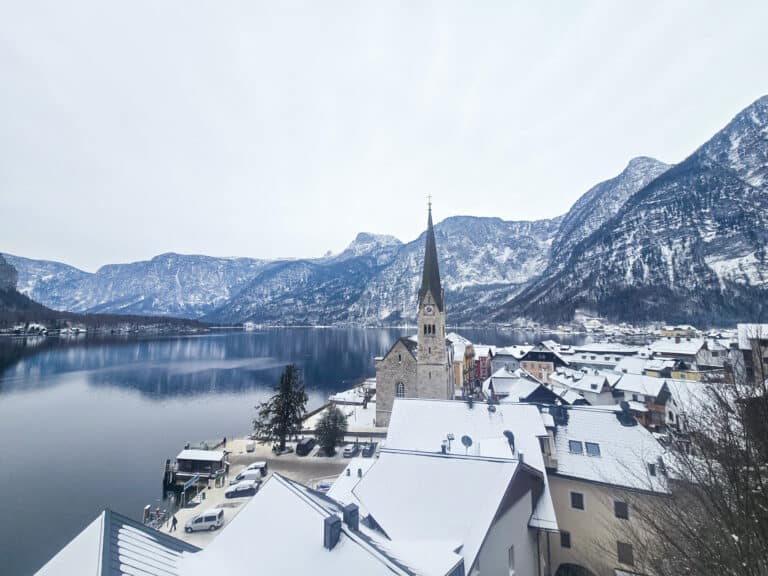
There is a profound difference between the Hallstatt known from summer postcards and the Hallstatt that reveals itself in winter. As the summer’s tide of day tourists ebbs away, the “Silent Season” begins in the Salzkammergut. This is the time of year when the village returns to its true self.
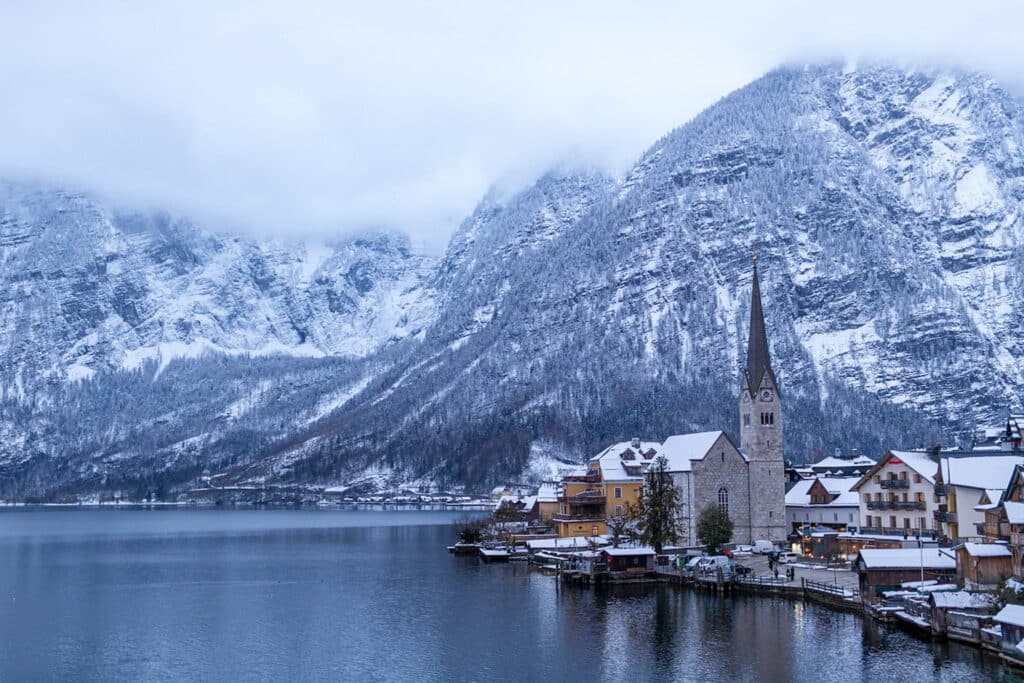
Those who stroll through the alleys in the early morning hours experience an almost ethereal silence, interrupted only by the distant echo of church bells or the gentle lapping of the lake. The architecture of this salt-mining community, with a history spanning over 7,000 years, appears even more defined beneath the pristine white snow.
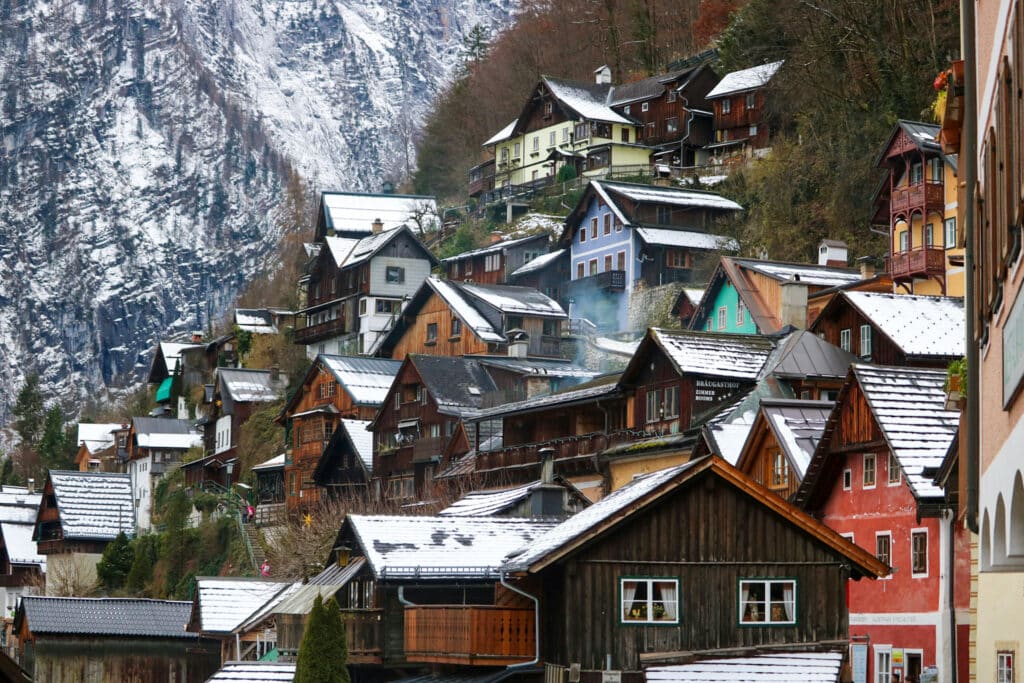
The steep, shingle-clad roofs bear heavy mantles of snow, and the characteristic wooden balconies of the houses, nestled tightly against the mountain, look as if they have been plucked from a Brothers Grimm fairytale.
This exclusivity is the greatest luxury of a winter visit. Instead of navigating crowded paths, visitors now have the space to notice the finer details: the intricate carvings on the front doors, the historic inscriptions, and the small chapels that appear particularly solemn in their white attire.
It is a season for individualists and aesthetes who do not wish to merely “visit” the World Heritage site, but to feel it in its purest form.
The World Heritage View: Above the Clouds at the Hallstatt Skywalk
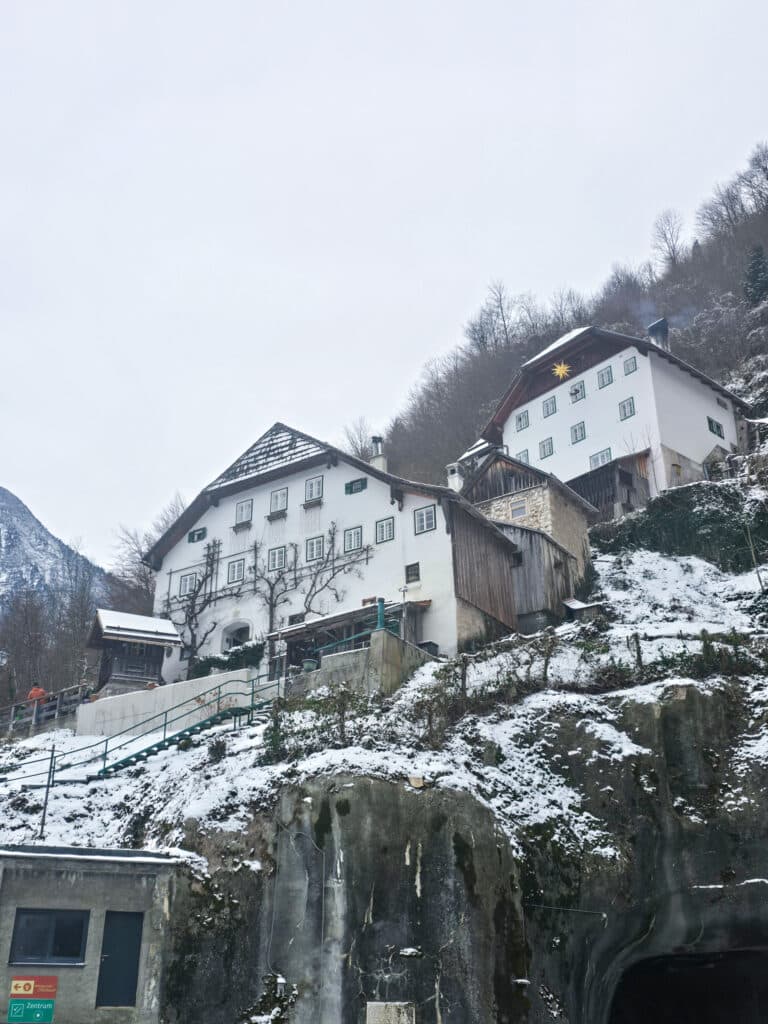
One of Europe’s most spectacular vistas awaits at the “World Heritage View” Skywalk, perched roughly 350 meters above the rooftops of Hallstatt. While the summer view is expansive and lush, winter offers a panorama that is almost surreal: the deep-snow peaks of the Dachstein massif reflect in the dark, often mist-shrouded waters of the lake, lending the entire scenery a dramatic depth.
The ascent with the Salzbergbahn funicular is an experience in itself. As the cable car glides silently upward through snow-laden forests, you leave the bustle of the valley far behind. Once at the top, a short path leads to the observation platform, which tapers to a point as it juts out over the abyss.
On a clear winter’s day, the visibility extends for miles across the entire World Heritage valley, reaching as far as Obertraun and the majestic Krippenstein.
An important note for winter visitors: The platform is generally accessible year-round, but the atmosphere shifts with the weather. On misty days, the Skywalk seems to literally float above a white sea of clouds – a moment of absolute silence and grandeur.
After visiting the platform, a stop at the historic Rudolfsturm is highly recommended. This former defense tower now houses a restaurant where you can warm up with a regional specialty while your gaze drifts through large windows over the winter Alps.
Lens Magic: Photography Tips for Snowy Alpine Vistas
Hallstatt is globally renowned as one of the most photographed locations on earth, but winter presents photographers with its own unique and fascinating challenges. The harsh, reflective white of the snow contrasted against the deep, ink-dark water of the lake creates a dynamic range that brings your images to life. To perfectly capture the magic of the “living snow globe,” there are a few nuances to keep in mind.
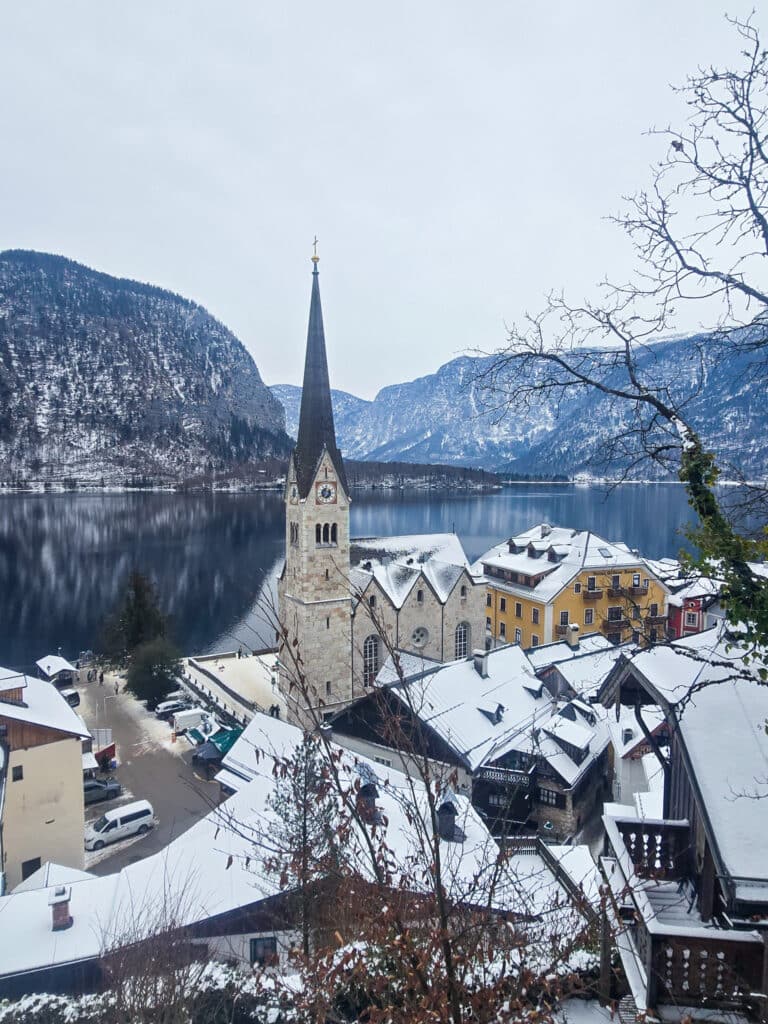
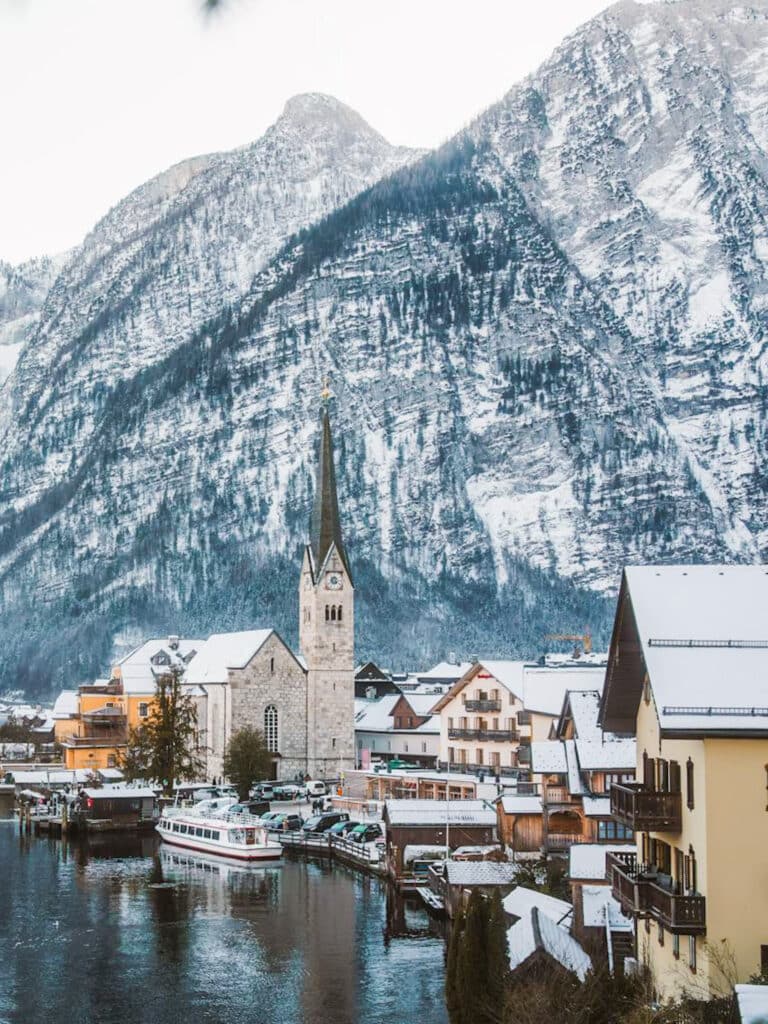
The famous “Postcard View” at the northern end of the village (Gosaumühlstraße) is particularly breathtaking in winter, especially when the spire of the Evangelical Church is dusted with snow.
One significant advantage of the cold season is the light: because the sun sits lower on the horizon, you benefit throughout the day from long shadows and a soft, directional glow that lends texture and depth to the historic facades.
The so-called “Blue Hour” shortly after sunset is exceptionally intense in winter. When the warm yellow lights of the village begin to flicker on and reflect in the steel-blue water, the resulting images possess an almost ethereal beauty.
A Professional Technical Tip: Pay close attention to your exposure. Cameras often tend to render large white surfaces as gray. Manually overexpose your shots slightly (+0.7 to +1.0) so the snow remains as brilliant and white in your photos as it appears to your naked eye.
Finally, do not forget to capture the intimate details: icicles hanging from weathered wooden gutters or frost-covered boats in the harbor often tell a more powerful story than the grand panorama itself.
Alpine Culinary Delights: Where Tradition Meets Coziness
After a long stroll through the cool, snow-covered alleys, there is hardly a better feeling than pushing open the heavy wooden door of a traditional Austrian inn. The warmth of the Gaststube (guest parlor), often fueled by an old tiled stove, and the scent of homemade pastries provide the perfect contrast to the winter cold outside. In Hallstatt, winter dining is an invitation to slow down.
The seasonal menu in the Salzkammergut is honest and hearty. An absolute classic is Kasnocken—savory alpine dumplings served in a cast-iron pan with plenty of tangy mountain cheese and crispy fried onions. It is the ultimate “comfort food” experience after a day in the crisp alpine air.
For those with a sweet tooth, an oven-warm Apple Strudel with vanilla sauce or the traditional Salzburger Nockerl—whose peaks are inspired by the snowy mountains of the region—are absolute must-tries.
What makes winter dining special:
The hectic pace of the summer months has vanished. It is much easier to find a seat by the window with a view of the lake, allowing you to truly linger. Whether over a glass of regional wine or a hot Jagertee, the combination of the historic ambiance, the warmth of the hosts, and the sight of snowflakes slowly dancing outside the window makes dining in Hallstatt a holistic experience for the soul.
Off-Season Advantages: Relaxed Exploration Without the Rush
Winter in Hallstatt is the season for true explorers. While summer often feels like drifting with the current of the crowds, the off-season allows for a deeper engagement with the history and culture of this storied location. This UNESCO World Heritage site is far more than just a picturesque backdrop—it is the center of a mining civilization that spans millennia.
During the winter months, the Hallstatt World Heritage Museum and the famous Bone House (Ossuary) offer a completely different experience. In the silence of the museum, you can immerse yourself in the fascinating Iron Age without the crowds, admiring the archaeological treasures that gave Hallstatt its name.
You finally have the time to read the detailed exhibits and let the impressive artifacts resonate with you in peace.
The Bone House in St. Michael’s Chapel feels even more solemn in winter. The artistically painted skulls tell the stories of generations who lived and worked under harsh alpine conditions. In the cool winter air, the connection to the past feels particularly tangible here.
Those who visit Hallstatt during this time take home more than just photos; they gain a genuine understanding of the heritage and the soul of this place. It is the perfect opportunity to ask questions, engage with the locals, and discover details that would simply be lost in the summer bustle.
Clothing & Gear: Staying Safe and Warm in the Salzkammergut
The beauty of the Alps in winter brings climatic conditions that require careful planning. In Hallstatt, temperatures can drop rapidly due to its lakeside location and the surrounding steep mountains—especially as soon as the sun disappears behind the peaks in the early afternoon.
To enjoy your stay to the fullest, the right gear is key.
The proven “Layering” (Onion) principle is absolutely essential here. A high-quality base layer made of merino wool regulates body temperature ideally, while a windproof and waterproof outer shell protects against the often damp climate by the lake. However, footwear is particularly important:
The historic alleys of Hallstatt are steep and partly made of cobblestones, which can become very slippery with snow or frost. Sturdy, insulated boots with a high-grip profile sole are not a luxury, but a necessity for your safety.
Don’t forget the accessories: A warm hat and gloves are mandatory, as the cold usually creeps in through the extremities. A tip for photographers: Special photography gloves with flip-back fingertips allow you to operate your camera precisely without exposing your hands to the icy air.
Being well-prepared allows you to focus entirely on the magic of your surroundings rather than struggling against the cold.
Comfortable Arrival: Why Safety and Comfort are Top Priorities in Winter
A winter journey to Hallstatt is a visual feast, yet it presents travelers with unique logistical challenges. The idyllic alpine roads of the Salzkammergut can transform into demanding routes within minutes during snowfall.
Icy conditions, limited visibility, and strict winter tire regulations often make driving stressful for those unfamiliar with alpine terrain. Furthermore, parking capacities on-site are limited, and the walk from distant parking garages to the center can be arduous in the biting cold.
Relying on public transport in winter also requires a great deal of patience. Waiting on drafty train platforms or at bus stops can dampen the holiday spirit, especially when connections are missed due to seasonal delays.
This is where a Private Day Trip offers the ultimate solution for discerning travelers. Instead of grappling with timetables, de-icing windshields, or the hunt for a parking spot, you enjoy maximum comfort. An experienced driver picks you up directly from your hotel in Salzburg or Innsbruck.
In a modern, climate-controlled premium vehicle, you glide effortlessly through the snowy landscape while soaking in the panoramic views.
The greatest advantage: Flexibility.
Would you like to stop for a photo at a frozen waterfall?
Or take a spontaneous break for a hot coffee at Lake Wolfgang?
Your private guide adapts to your pace. This way, your Hallstatt fairytale begins right at your hotel doorstep—safe, exclusive, and completely stress-free.