

Every Season Tells Its Own Story
Hallstatt is captivating in every season — but each month transforms the village into something completely different. In spring, the lakeside town slowly awakens, the mountain peaks are still dusted with snow, and the first boats return to the clear water.
Summer brings energy and color: cafés fill up, the Skywalk opens up wide views over the Salzkammergut, and life moves naturally between lake and mountains.
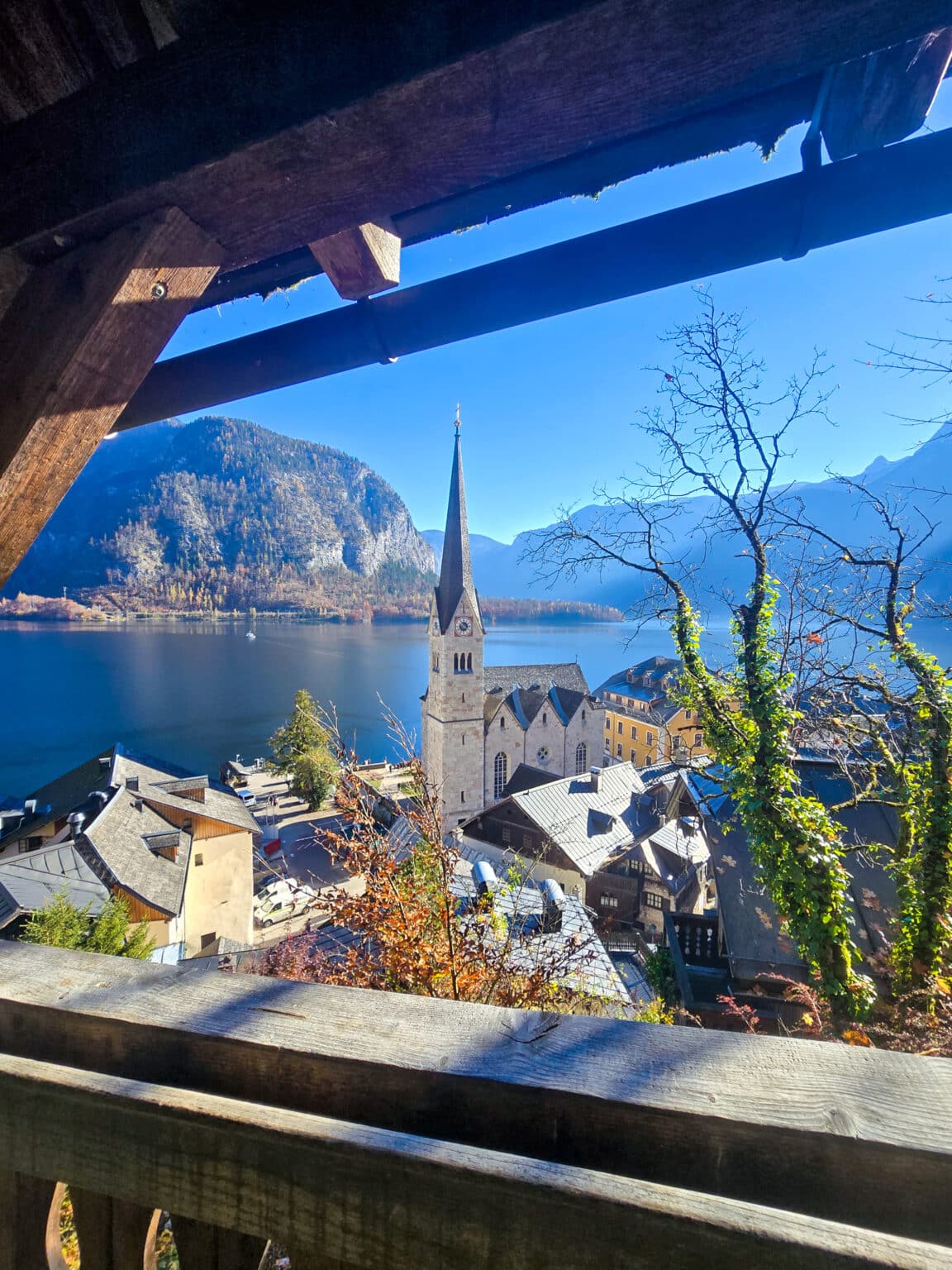
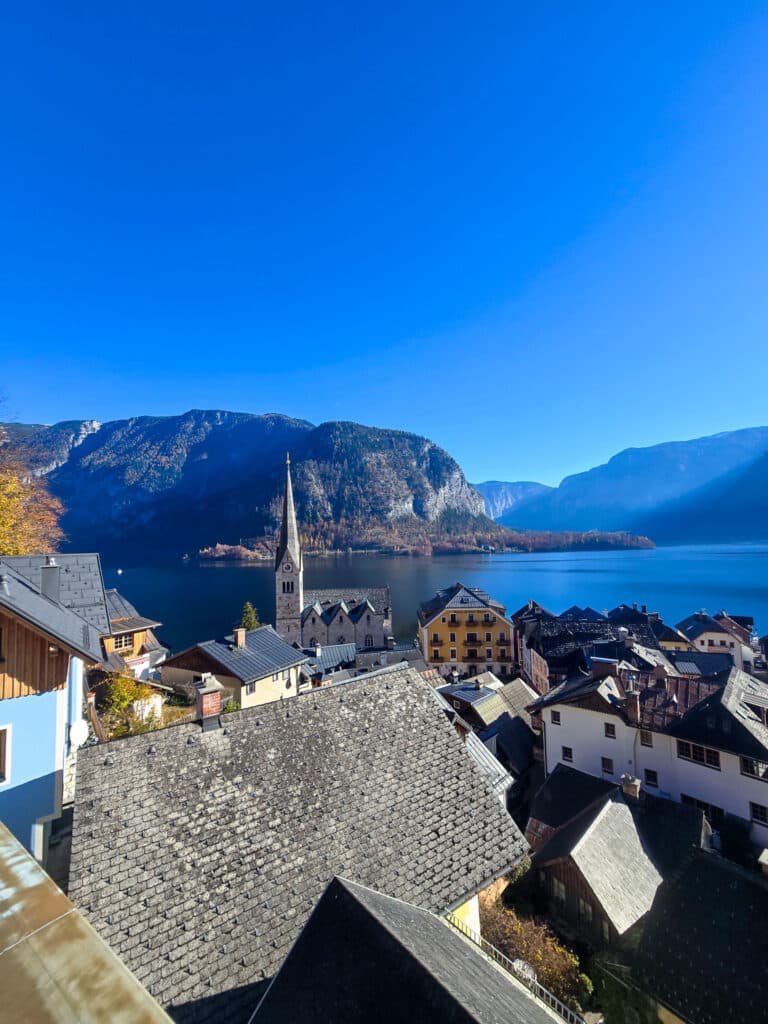
Autumn introduces calm and golden tones. The light becomes softer, visitor numbers drop, and Hallstatt reveals its quiet, photogenic side. In winter, the village turns into a fairytale scene — snow-covered rooftops, mirror-still water, and a peaceful, almost meditative atmosphere.
Each season has its own rhythm and tells its own story.
So the real question isn’t when the best time to visit Hallstatt is — but which time of year suits you best. In this guide, you’ll discover how Hallstatt changes throughout the year, when a visit is especially rewarding, and how to plan your trip so it matches your style, your schedule, and your personal travel mood.
1. Spring in Hallstatt (March – May)
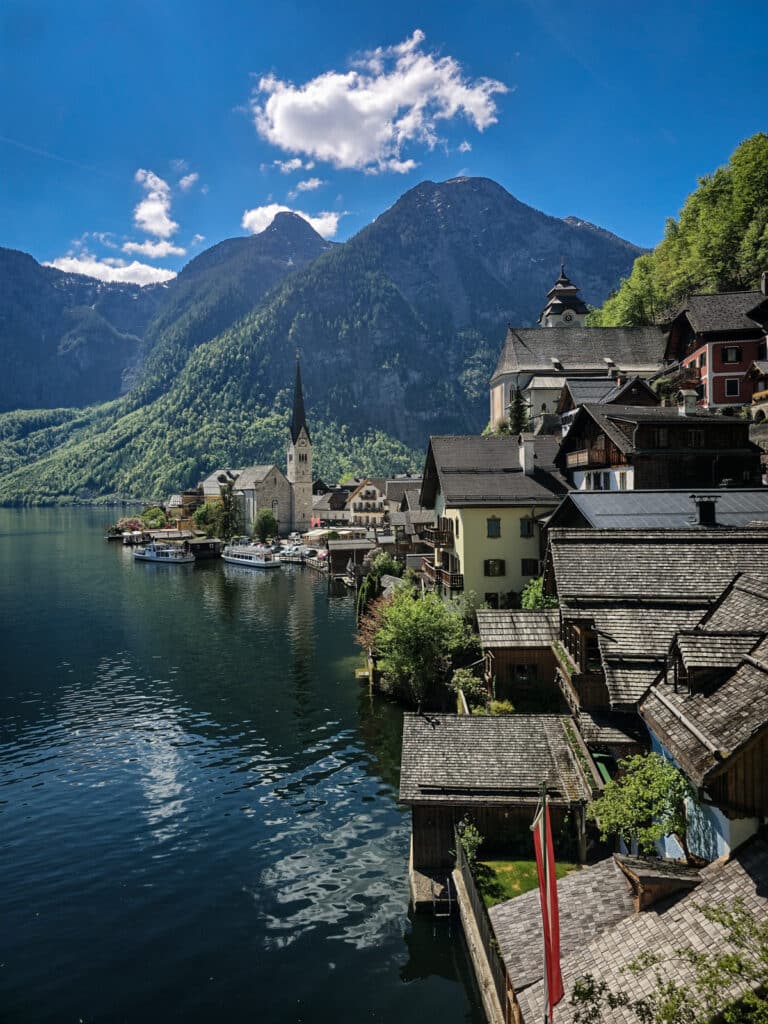
Spring is one of the most beautiful — yet often overlooked — times to visit Hallstatt. After the quiet winter months, the village slowly comes back to life. Snow still lingers on the surrounding mountains while flowers begin to bloom along the lakeshore and the light grows warmer.
This blend of clarity, calm, and fresh energy makes spring especially appealing.
In March, the weather is still unpredictable: sunny days alternate with cool evenings and occasional rain showers. By April, temperatures become milder, cafés open their terraces, and by May the Salzkammergut shines in vibrant green. For travelers who want to experience Hallstatt authentically before summer crowds arrive, spring offers ideal conditions.
Temperatures: approx. 8–18 °C
Crowd level: low to moderate
Best for: photographers, travelers seeking peace, lakeside walks, boat rides💡 Our tip: Visit Hallstatt on a weekday and start early in the morning. Spring offers a gentle quietness, and the soft light over the lake creates perfect conditions for photography. A short ferry ride or a walk along the lakeshore reveals Hallstatt at its calmest — and perhaps its most beautiful.
2. Summer in Hallstatt (June – August)
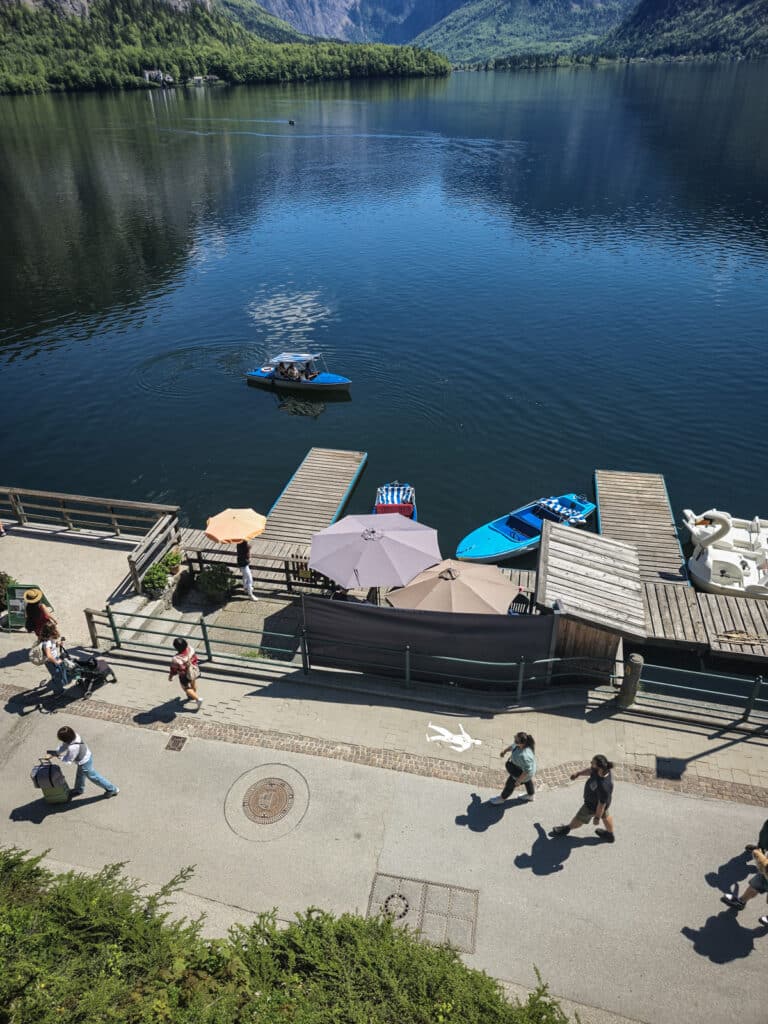
In summer, Hallstatt shows itself at its most vibrant. The sun rises high above the Dachstein, the lake sparkles in clear light, and the village looks as if it were painted by hand.
This is the season when Hallstatt reveals its most iconic scenes — boats on the turquoise water, balconies filled with flowers, and lively alleyways filled with voices from all over the world.
Between June and August, average daytime temperatures range from 20 to 25 °C, though heatwaves can easily push them above 30 °C.
In recent years, even the Salzkammergut has felt the effects of warmer summers. Still, the air remains wonderfully clear, and evenings often cool down to 10–15 °C, perfect for ending the day with a peaceful lakeside walk.
Summer is also the busiest time of year: visitors from around the globe fill the streets, excursion boats cross the lake, and viewpoints offer sweeping panoramas over the valley. But high season also brings crowds — between late morning and mid-afternoon it can feel tight, parking fills up quickly, and popular photo spots become busy.
Temperatures: daytime 20–25 °C, peaks above 30 °C possible; nighttime 10–15 °C
Crowd level: very high (especially July / August)
Best for: families, nature lovers, swimmers, summer photography💡 Our tip: Plan your visit early in the morning or later in the evening. The light is softer, the streets are calmer, and the overall experience is much richer. In high season, it’s wise to book accommodation and tours well in advance.
Even on hot days, Hallstatt is a joy — start early, follow the shaded paths along the lake, and you’ll experience the village in its most beautiful summer mood.
3. Autumn in Hallstatt (September – October)
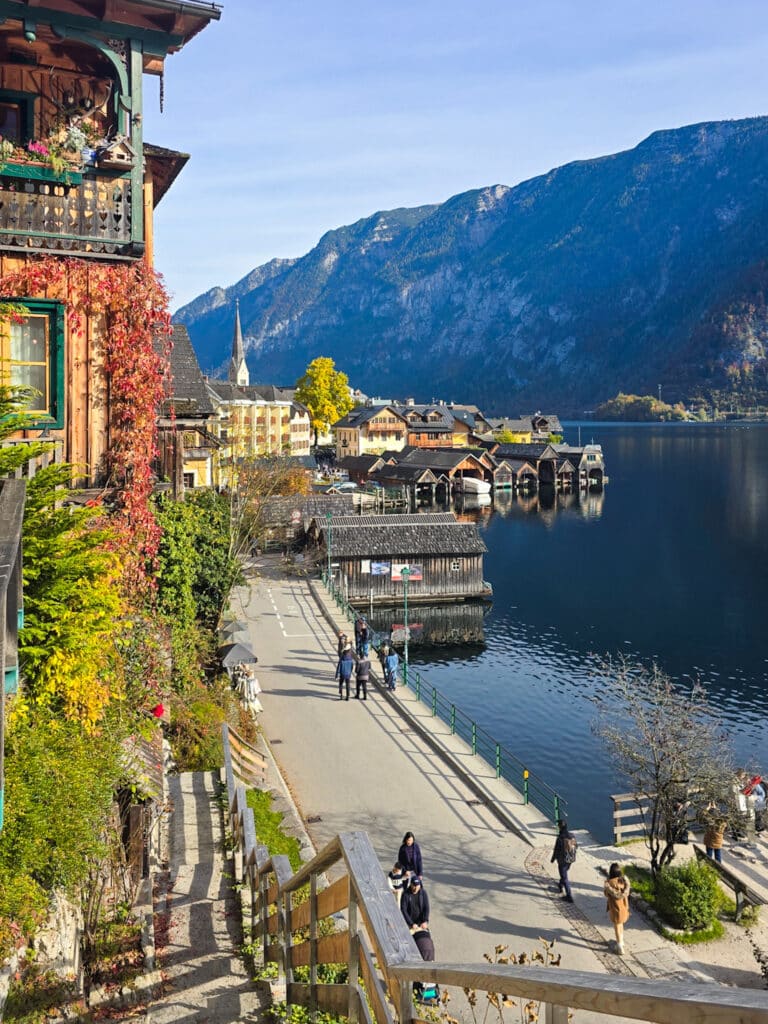
For many, autumn is the most beautiful time to visit Hallstatt. As the heat of summer fades and the forests around the lake turn warm shades of gold and red, the atmosphere becomes both lively and peaceful. The light softens, the air becomes clearer, and a thin morning mist often floats above the lake before slowly lifting later in the day.
It’s the season when Hallstatt unwinds — and reveals perhaps its most impressive character.
Daytime temperatures usually range between 14 and 20 °C, with nights dropping to 6–10 °C. Mornings can feel brisk, but the sunshine and crisp visibility during the day create ideal conditions for exploring the region.
Crowd levels decrease noticeably, the streets grow quieter, and finding a lakeside table in one of the cafés becomes easy again.
Autumn is perfect for long walks and hikes. Whether you’re heading up to the Skywalk, strolling through the narrow village streets, or following the lakeside paths, you’ll find spectacular photo opportunities everywhere.
Excursions to the Salt Mines or Gosausee are especially rewarding now, when the autumn light reflects off the mountains and the colors appear richer than at any other time of year.
Temperatures: 14–20 °C (day) / 6–10 °C (night)
Crowd level: moderate
Best for: photographers, couples, travelers seeking calm, slow-paced enjoyers💡 Our tip: Take advantage of the early morning hours when mist lingers above the lake and Hallstatt appears wrapped in soft pastel light. In the evening, the low sun bathes the mountains in warm golden tones — perfect for photos and peaceful strolls.
Many accommodations are now available at short notice and at lower prices — the ideal moment for anyone who wants to experience Hallstatt authentically and without hurry.
4. Winter in Hallstatt (November – February)
In winter, Hallstatt reveals its quietest and most striking side. When snow covers the rooftops, mist drifts over the lake, and the light breaks early behind the mountains, the village transforms into a winter fairytale.
This is the season when Hallstatt shows its original character — calm, clear, and far removed from the bustle of summer.
Between December and February, daytime temperatures usually range between –1 and +4 °C, while nights often drop to –6 to 0 °C. The cold, crisp air gives the landscape extraordinary depth: the mountains seem closer, the water darker, and the silence almost tangible.
While some restaurants and shops close during this time, that in itself contributes to the special atmosphere — Hallstatt feels slower, authentic, and wonderfully unhurried.
Winter is ideal for photographers and those seeking tranquility. A walk along the lakeshore, a visit to the viewpoints, or simply a quiet moment on a bench by the water — everything feels more intense when snow crunches under your feet and the village is bathed in soft light. The nearby towns of Obertraun and Gosau also offer opportunities for winter hiking or a relaxed ski day in small, family-friendly ski areas.
Temperatures: –1 to +4 °C (day) / –6 to 0 °C (night)
Crowd level: low
Best for: photographers, peace-seekers, winter travelers💡 Our tip: Choose a clear day for your visit, when the sky reflects in the still water of the lake. After a lakeside stroll, treat yourself to a hot chocolate in one of the small cafés — with a view of the snow-covered market square.
Winter in Hallstatt is not a season for rushing, but for those who appreciate stillness.
Anyone who experiences it understands why many locals say: This is the real Hallstatt.
5. Weather, Temperatures & Month-by-Month Overview
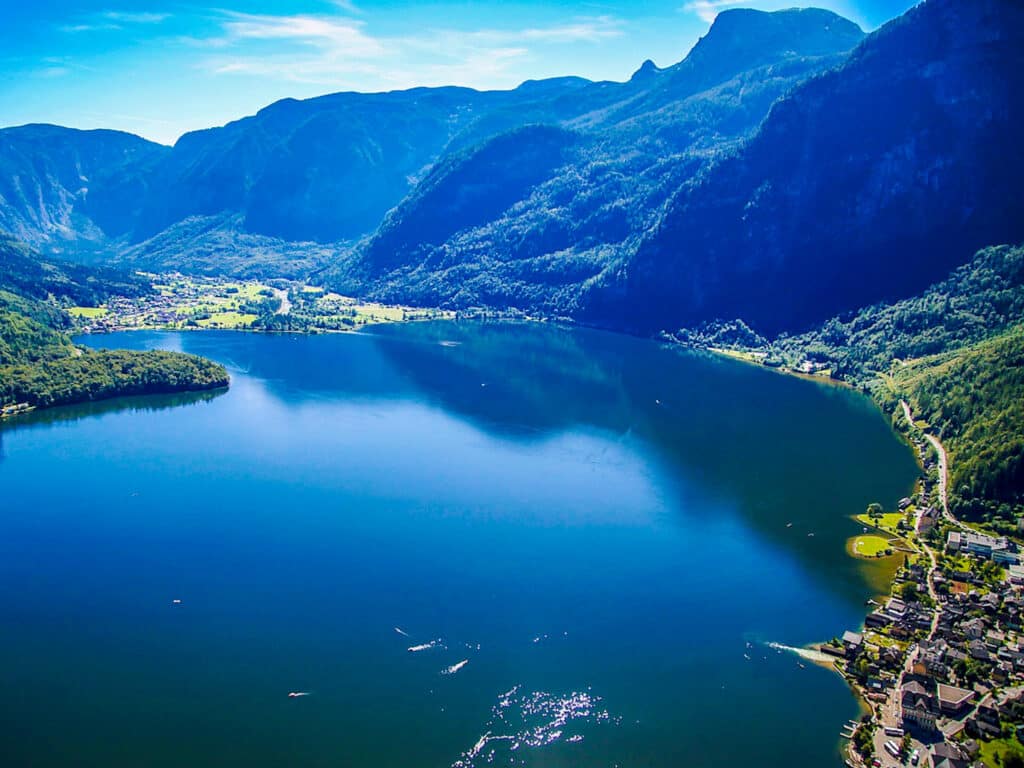
Hallstatt sits at around 500 meters above sea level in the heart of the Salzkammergut. Its
The following overview shows average temperatures and typical visitor levels throughout the year — compact and ideal for planning your trip.
Month | Avg. Day / Night (°C) | Visitor Level |
|---|---|---|
Jan | –1 / –6 | low |
Feb | 2 / –4 | low |
Mar | 8 / 0 | low |
Apr | 13 / 4 | moderate |
May | 18 / 8 | moderate |
Jun | 21 / 11 | high |
Jul | 23 / 13 | very high |
Aug | 23 / 13 | very high |
Sep | 18 / 9 | moderate |
Oct | 14 / 6 | low |
Nov | 6 / 1 | low |
Dec | 1 / –4 | low |
(Values rounded based on long-term climate data.)
💡 Our tip: Hallstatt is impressive in every season — vibrant and full of light in summer, colorful and clear in autumn, and quiet and snow-covered in winter.
The weather can change quickly, so a flexible daily plan — and always a light jacket — is recommended.
6. The Best Time to Visit Hallstatt by Travel Type
The ideal time to visit Hallstatt depends less on the season itself and more on how you like to travel. Each month has its own rhythm — and those who match their visit to their personal travel style experience the village far more deeply.
For Photographers and Nature Lovers
Autumn is arguably the most photogenic season. Soft light, vibrant colors, and morning mist drifting across the lake create atmospheric scenes. Winter also offers exceptional opportunities: snow-covered rooftops, crisp air, and mirror-like reflections on the still water turn Hallstatt into a paradise for landscape photography.
For Families and First-Time Visitors
Between May and September, Hallstatt is lively and well organized. Tours, ferries, and restaurants operate at full schedule, and the region shows its most active side. Families should aim for early mornings or late afternoons — when the village is calmer, the light softer, and the atmosphere more relaxed.
For Couples and Slow-Travel Enjoyers
Spring and autumn are ideal for experiencing Hallstatt in a peaceful, romantic setting. Lakeside walks, a coffee on a sunny terrace, or the view from the Skywalk in mild weather — these months make Hallstatt feel especially intimate and authentic.
For Peace-Seekers and Independent Travelers
Winter belongs to those who appreciate quiet. Hallstatt then reveals its most original character — silent, clear, and almost timeless. Lakeside strolls, snow-covered alleys, and the crunch of snow underfoot create an atmosphere you won’t find in summer.
💡 Our tip: There is no universally “best” time to visit — only the time that suits you best. Whether you prefer energy or calm, warmth or snow, Hallstatt offers a unique atmosphere in every season.
Those who choose deliberately don’t just visit Hallstatt — they experience a moment that stays with them.
7. Conclusion: There Is No “Perfect” Time — Only the Time That Suits You
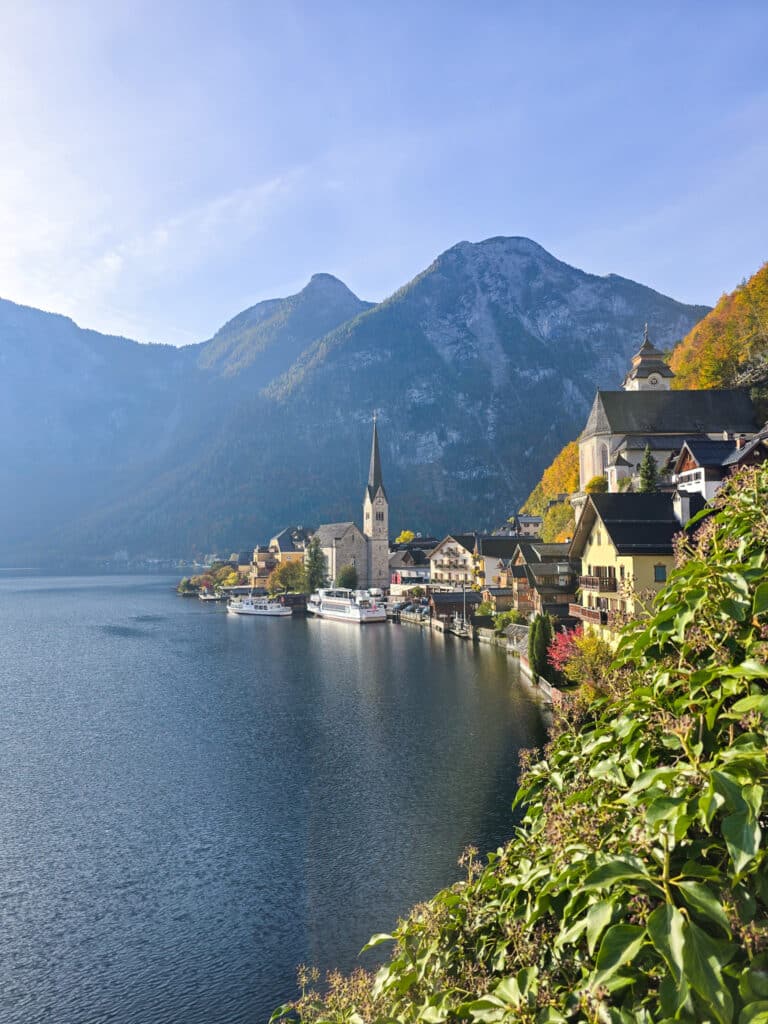
Hallstatt changes with every season — and that is precisely what makes it so unique. Spring brings a sense of awakening, summer adds energy and movement, autumn offers color and clarity, and winter brings silence and reflection.
Each part of the year tells its own story — and together they form what makes Hallstatt so special: a place that is never the same, yet always captivating.
There is no universally perfect time to visit. Only the time that suits you. If you love sunshine, liveliness, and full streets, summer will make you happy. If you seek calm and atmosphere, you’ll find it in winter. Spring belongs to explorers, autumn to dreamers — and in every case, Hallstatt rewards those who embrace its mood.
💡 Our tip: Let your feelings guide you more than the calendar. Hallstatt’s magic doesn’t appear at a specific moment — it appears whenever you allow yourself the time to truly experience the village: quietly, attentively, and with open eyes for the small moments in between.
Find your Hallstatt day tour here!