

When the World Heritage Site Removes Its Mask
There is a version of Hallstatt that almost never appears on the glossy postcards of summer: a Hallstatt without barrier tapes, without the thunder of camera flashes, and without the incessant hum of the crowds.
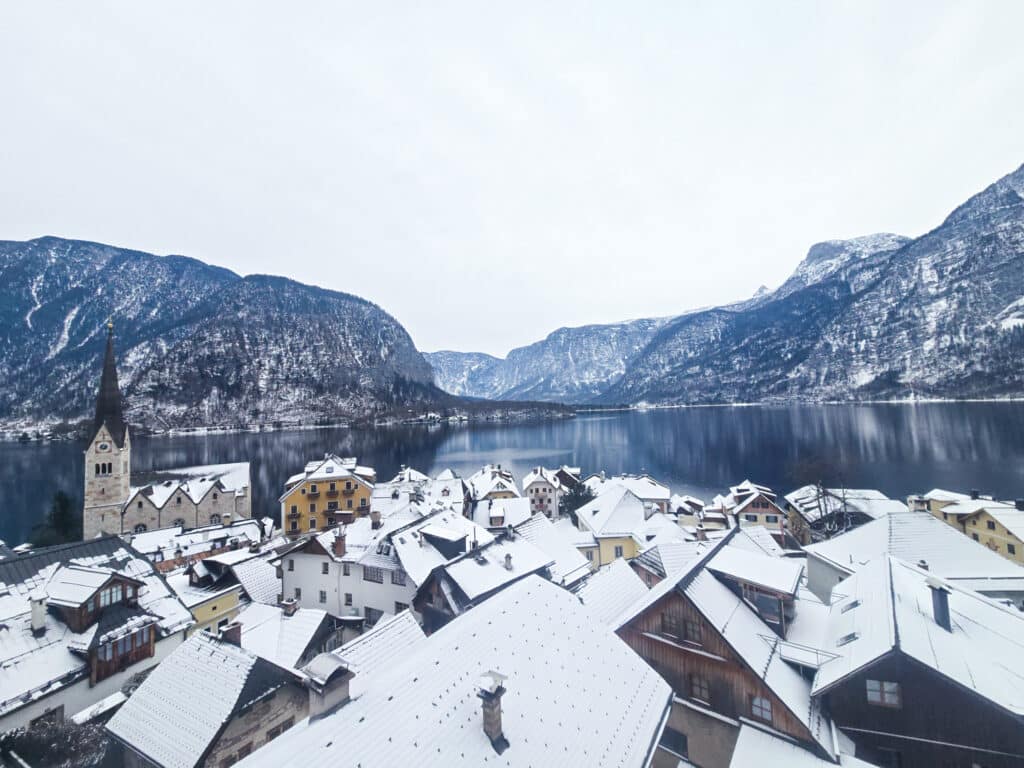
When, in late autumn, the mist hangs over the lake like a silken shroud, or in early spring, when the first rays of sun awaken the sleeping alleys, the UNESCO World Heritage site reveals its most authentic side. The off-season is not a compromise—it is a privilege for travelers who seek depth over superficiality.
It is the time when the village ceases to be a mere backdrop and becomes once again what it has been for millennia: a place of silence, of history, and of sublime alpine melancholy.
Those who visit Hallstatt during these months are not looking for a quick, passing snapshot; they are searching for the true soul of the Salzkammergut. In this guide, you will discover why the supposed “low season” is, in truth, the most exclusive time of the year.
The Magic of Tranquility: When the Village Returns to the Locals
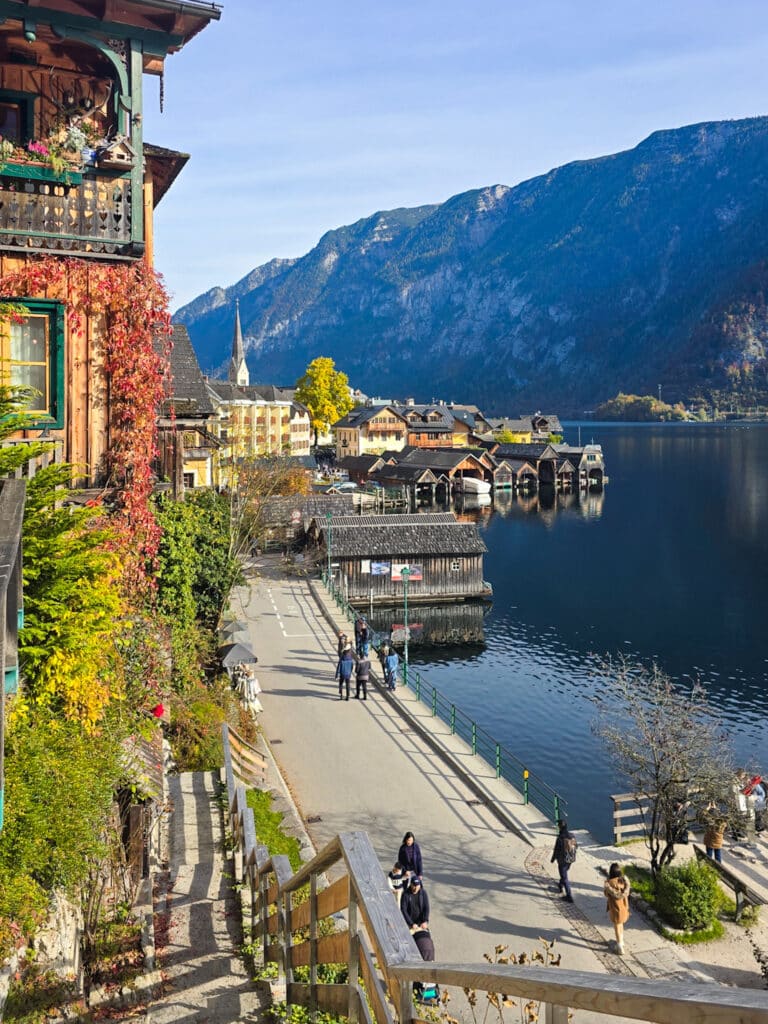
There is a moment in the off-season that is impossible to experience in summer: the feeling of having Hallstatt almost entirely to yourself. As the large tour buses vanish, the very acoustics of the village shift. The incessant hum of voices gives way to the gentle lapping of Lake Hallstatt and the distant call of waterfowl.
During this time, authenticity returns. You see the locals doing their shopping or chatting at the Market Square without having to push through throngs of people.
For you as a visitor, this means you can pause in the middle of an alley to admire the architecture without obstructing the flow of traffic.
This “emptiness” is not an absence of life, but an abundance of space and time. It is the only phase of the year in which you can do more than just see the World Heritage site—you can truly grasp it in its historical dimension.
Mysticism and Light: Why Pro Photographers Love the Foggy Season
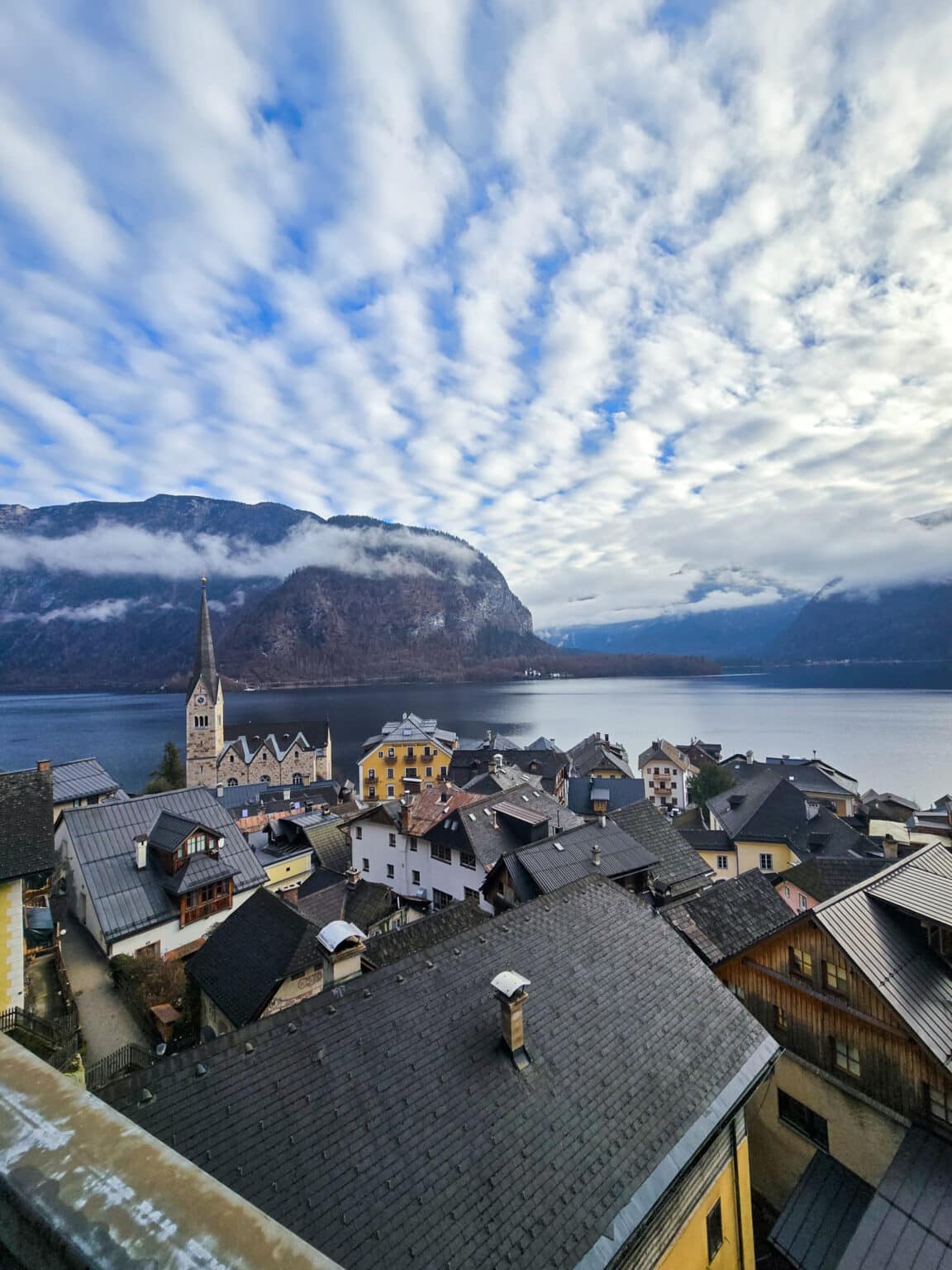
While summer provides harsh sunlight and stark shadows, the off-season in Hallstatt offers a color palette reminiscent of Romantic-era paintings. It is a time of muted tones and dramatic staging by nature itself.
When wisps of low-hanging clouds cling to the steep flanks of Mount Plassen and the lake takes on a silvery-gray hue, images of almost surreal, melancholic beauty are born.
For photographers, this season is a true blessing.
The diffused light of an overcast sky acts like a giant softbox, saturating colors and softly emphasizing the intricate details of the centuries-old timber facades. Furthermore, the off-season eliminates the need to wait hours for that “perfect moment” without passersby—the motif belongs entirely to you.
The atmosphere becomes particularly mystical in the late afternoon. As dusk sets in and the mist blurs the village’s contours, the warm yellow glow of the streetlamps acts as small anchors in a world of gray and blue.
It is precisely these moods that return Hallstatt’s soul to it, proving that beauty does not always require radiant sunshine to leave a profound impression.
Culture with Depth: Grasping World Heritage in Peace
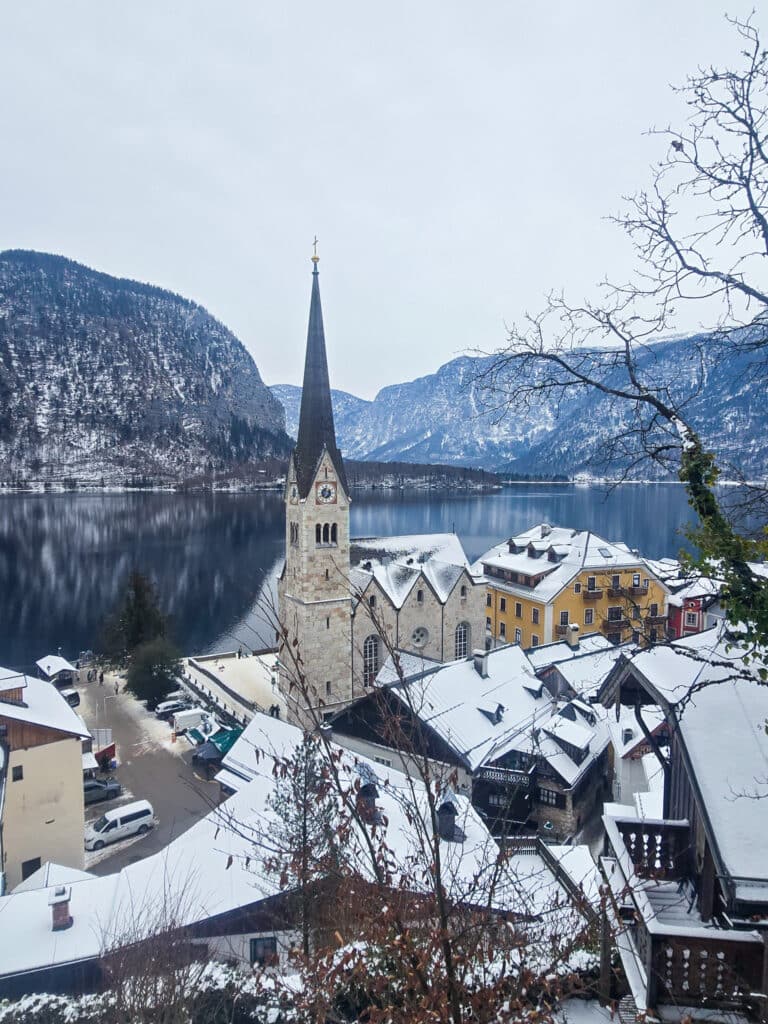
Those who visit Hallstatt during the high season often experience the sights in a sort of “fast-forward mode.” In the off-season, however, a visit transforms from a superficial sightseeing trip into a profound experience. Without the usual queues and the huddle in cramped spaces, a completely new gateway to the village’s millennia-old history opens up.
In the silence of the World Heritage Museum, you can immerse yourself in the fascinating Iron Age without any time pressure. The exhibits—ranging from prehistoric tools to traditional Salzkammergut costumes—unfold a much more powerful impact in the quiet museum atmosphere.
You finally have the space to study the details of the finds from the Salt Mines and to truly grasp the scale of the salt production that once made Hallstatt the wealthiest village in the region.
The famous Bone House (Ossuary) in St. Michael’s Chapel also offers an experience of particular intensity during the low season. In the cool, silent chapel, the artistically painted skulls appear even more solemn. It is a place of contemplation that requires stillness to fully reveal its power.
Standing here in the off-season, you feel a genuine connection to the generations who painstakingly built this village against the cliffs. These moments of tranquility are what make a visit to the World Heritage site truly valuable—far removed from the hustle and pure consumerism.
Fireside Dining: Genuine Hospitality Over Mass Production
In the high season, gastronomy is often a logistical feat where efficiency must take center stage. In the off-season, however, the proverbial Austrian Gemütlichkeit (coziness) returns to the inns of Hallstatt. This is the time when staff once again have the leisure for a genuine smile and a recommendation beyond the standard menu.
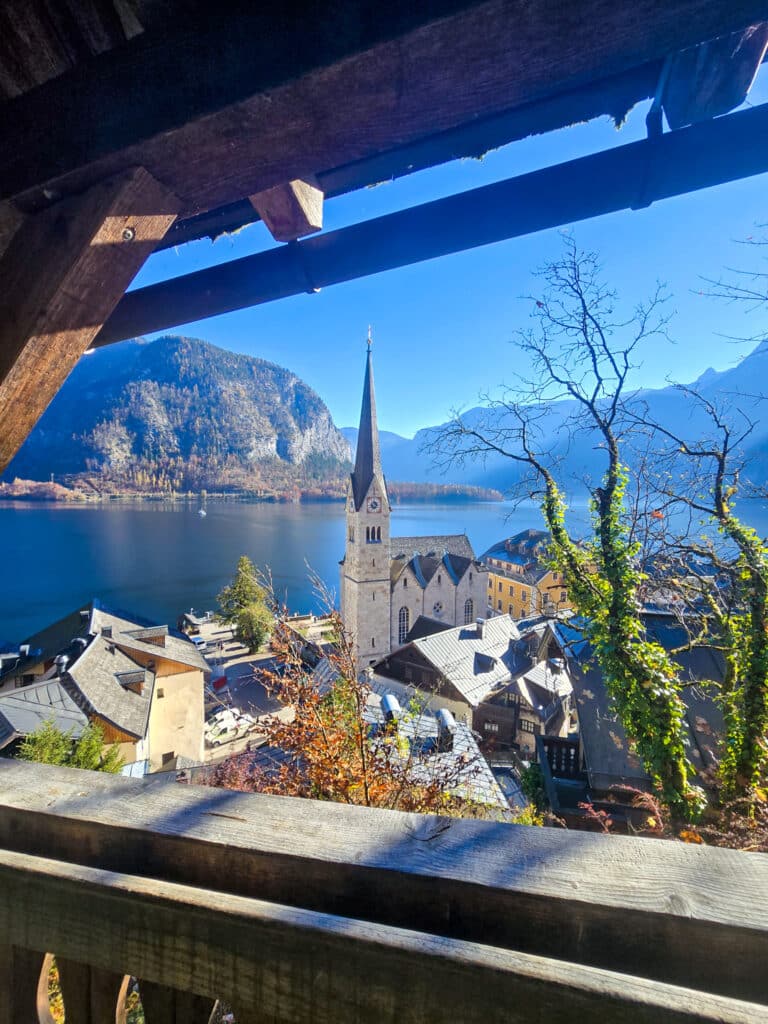
When you enter a Gaststube on a chilly November day or a misty March afternoon, you are greeted by an atmosphere of warmth and security. Tables are no longer booked by the minute, and the lake view through the large windows can be savored in peace over a glass of regional wine.
It is the season for hearty soups, slow-braised local venison, and freshly caught Reinanke (whitefish) from Lake Hallstatt, which tastes particularly authentic during this time.
Often, it is the small moments that linger in the memory: a brief chat with the innkeeper about the current snow conditions on the mountain, or an extra serving of vanilla sauce with your apple strudel “because it’s so stormy outside today.”
In the off-season, you don’t just dine—you are welcomed as a guest. This form of genuine hospitality is the true luxury that can hardly be bought during the frantic rush of summer.
Planning and Logistics: Key Facts for the Shoulder Season
A visit during the off-season requires slightly more preparation than a mid-summer trip, but it rewards you with true exclusivity. The most important aspect is planning around opening hours. While the village itself, its churches, and the Bone House remain accessible year-round, some major attractions like the Salt Mines or the Dachstein Ice Caves use the late post-season for scheduled maintenance and revisions.
However, do not let this deter you: it is precisely when the major tourist magnets take a break that the true jewel—the village itself and its pristine natural surroundings—comes into focus.
For instance, the funicular to the Skywalk typically remains in operation until late autumn and resumes shortly after a brief hiatus in January, ensuring you don’t have to miss out on the panoramic vistas even during the quietest times.
Regarding the weather, the “onion principle” (layering) is your best friend. Due to the damp lakeside air, temperatures can feel cooler than the thermometer suggests. Sturdy footwear is a must, as the steep, historic alleys can become slippery with mist or frost.
If you pay attention to these small details, you will realize that Hallstatt is by no means “closed” during the off-season. Instead, it opens its doors for a much deeper, more private experience.
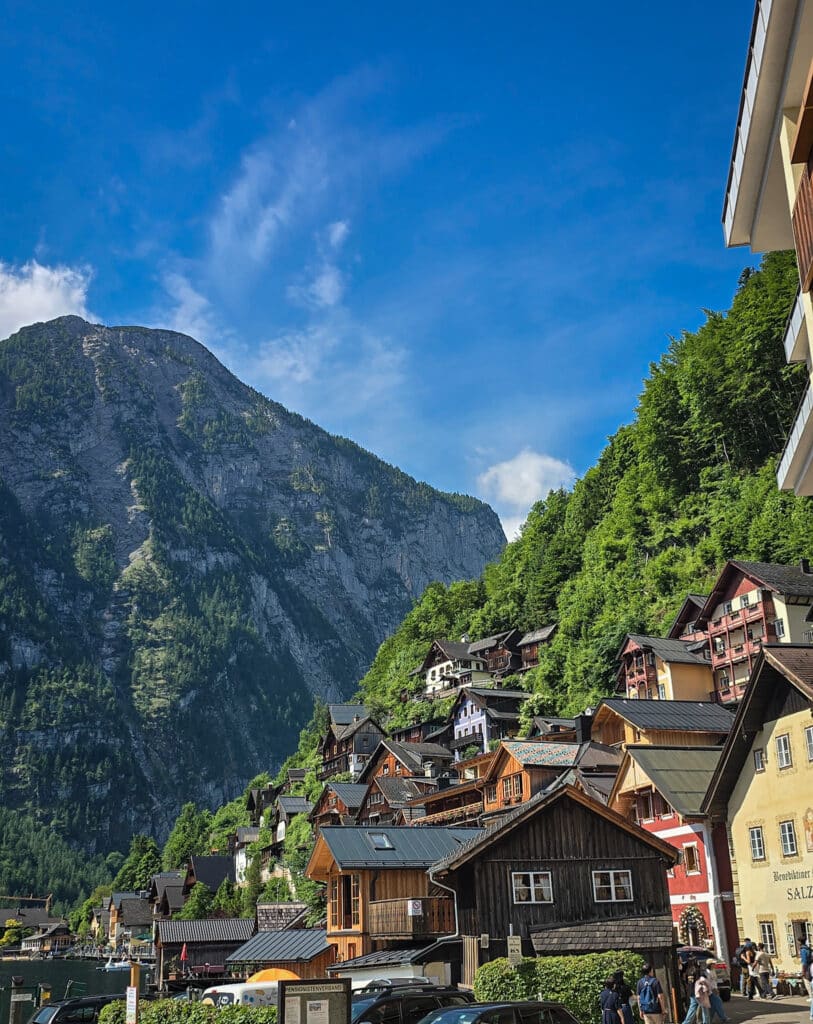
Exclusive Arrival: Your Private Sanctuary in Any Weather
The off-season often brings unpredictable weather—an element that enhances Hallstatt’s mystical beauty but can make traveling by public transport a chore. Waiting at drafty train stations, navigating wet ferry docks, or searching for the right bus in pouring rain can quickly dampen the anticipation of visiting a World Heritage site.
This is precisely where a Private Day Trip becomes your most valuable travel companion. Imagine leaving your hotel and stepping directly into the cozy warmth of a modern, premium vehicle.
While the mist drifts over the lakes of the Salzkammergut outside, or raindrops drum against the windows, you enjoy absolute peace, comfort, and discretion inside.
Your driver is more than just a chauffeur; they are your navigator through the nuances of the off-season. They know the coziest inns that remain open even in November and exactly what time the light will be best for your lakeside photography. Instead of grappling with timetables or damp clothes, the journey itself becomes a part of your relaxation.
Your driver brings you directly to the heart of the action and serves as your warm retreat whenever you need a break from the crisp alpine air. In the off-season, time is the true luxury—and we ensure that you enjoy every minute of it to the fullest.